
“I don’t want to be borrowing anybody else’s language, I just want to use my own”
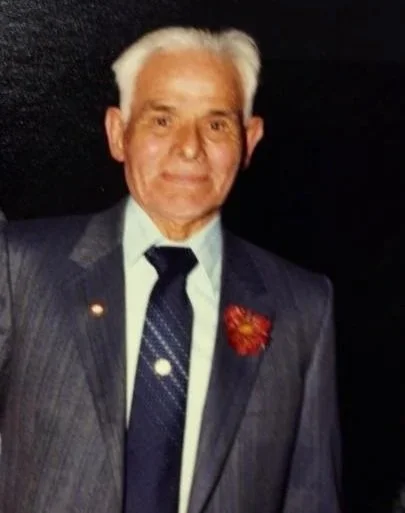
Chief Billy Mitchell
A recording from 1970
Chief Billy Mitchell was raised by his Sechelt grandparents. Their names are William and Ellen Theresa Jefferies. They raised him in a village called Tsonei in Jervis Inlet.
His wife Rose Mitchell was toq qaymixʷ (Native people from Klahoose First Nation). He was a very well known and respected qaymixʷ leader throughout Coast Salish territories and so called British Columbia. Rose and Bill Mitchell are well known for being co-creators of Sliammon Life, Sliammon Lands.
In this recording he is addressing a crowd before the launch of this book, written with linguist Randy Bouchard and anthropologist Dorothy Kennedy. In this recording you will hear Chief Billy explaining his fears of loss; in particular our loss to language and culture. He is also sharing what we want to regain. He speaks on this in our language and has his daughter Liz Grenier (Harry) translate into English.
More about Chief Billy Mitchell:
Billy Mitchell was born in 1903. As a young man he travelled up the coast, where he was welcomed into Klahoose (Squirrel Cove). This unique journey meant he could speak at least two First Nation languages.
Billy was a young man of 17 when his grandparents Ellen Theresa and William Jefferies arranged his marriage to Rose Mitchell. Her parents were John and Josephine Dominic.They were married in Church House on Easter weekend. To make money for their wedding, he logged in camps from Jervis Inlet to Toba Inlet. He did not meet his wife to be until the day of their wedding.
He was respected and called upon by settlers, because in addition to reading, writing, and speaking english, he also knew how to speak Latin and lead church services for them in Latin when needed.
Billy was a well respected First Nations leader. He was one of the founding members of the Native Brotherhood. He was also head of the Native Fisherman’s Association of BC. He had over 50 years of political service in Klahoose, most of which he was serving as Chief.
SPEAKER INTROS: “I would like next to call upon a person whom I had the privilege of meeting just recently. And who is extremely well known all up and down the coast of British Columbia, and who is a speaker of the so called Mainland Comox language. But is from Squirrel Cove, North of Powell River.
And that is Mr. Billy Mitchell. And I’d also like to call upon his daughter, Liz Grenier to translate
into English for him. “
original recording
slowed down…
Now slowed down and broken apart…
Click here for downloadable transcripts of this audio
Click here for slowed down transcripts of this audio
Part paʔa (1)
00:00:46
BILL: hɛw ʔimot kʷʊt̓ᶿ qʷayɩgən tatᶿ niš na kʷʊnoθɛtanapɛ st̓ᶿoqʷ
LIZ: I’m very happy to be here among you today.
BILL: ʔi kʷʊtᶿ qʷayɩgən kʷʊnap ʔukʷ čiyɛt kʷʊtᶿ qʷaytən qʷayɩn t̓ᶿit̓ᶿayčʔot
LIZ: I hope that uh, you can all hear my language and I hope that I am speaking loud enough for all of you to hear.
00:01:08
BILL: qʷol skʷajɩm čɛtays st̓ᶿoqʷ
LIZ: we are very poor today
BILL: čuwɩn ʔo tuwi məmaɬa ʔukʷtamas
LIZ: the white man has stolen everything from us
00:01:1
BILL: mayɛtəms qʷaytən tič ho nɛ tihomuxʷ
LIZ: even our languages have been stolen from us
BILL: hukʷt ʔit tam ʔaχʷiy niš nɛmoɬ nams ta kʷa ɬagitᶿa
00:01:28
LIZ: There is nothing left for us. It's like we've been stripped of everything that we have ever owned.
Part saʔa (2)
BILL: nam ga tan xʷis kʷʊt̓ᶿ qʷayɩgən st̓ᶿoqʷ tat̓ᶿ čiyɛt tin ʔi ƛayitᶿəm qajiʔot ta məmaɬa namatəs təms qʷaytən
00:01:43
LIZ: So today I am very glad to know that the white people are starting to help us again to write down our language.
BILL: χaƛɛt ta nɛmoɬ təms čičuy ʔukʷtam toχʷnɛxʷaygəs st̓ᶿoqʷ
00:02:00
LIZ: Its hard on us today because our younger children don’t know anything.
BILL: niʔat kʷ tam toxʷnɛxʷaygəsoɬ p̓apɛm čɛč χat kʷ ʔɛɬtɛnʔɛt ʔuk̓ʷtam toxʷnɛxʷaygəs.
LIZ: Anything that the uh, older people have done, like the Indian way of cooking, they don’t know that either.
00:02:20
BILL: hoyt kʷ na χaχiyɛ pipa kʷan kʷənteygəs hit ta namos ti ni čɛgeyɬamot nɛt hɛwteyganɛt. hoyt ta jɛjaq ʔonɛteygəs st̓ᶿoqʷ.
LIZ: The only thing they do now a days is to buy books and they read books. And they watch this uh, television in front of them. They all sit around in front of the television. And that’s all our younger children do today.
Click here for a downloadable worksheet to follow along with
Part čɛlɩs (3)
00:02:45
BILL: nam ga tan kʷis kʷʊt̓ᶿ qʷayɩgən tatᶿ kʷʊnɛt ta yɛyɛθots. ta məməmaɬa ti st̓ᶿoqʷ. nam χaƛɛt kʷ χəpajus ʔɛ təms qʷaytən. hɛ ʔiks qajiʔθot hɛws χapjušɛt qaji ʔukʷtaməs ʔikʷs toχʷnɛgitəms tɩgixʷaɬ. kʷ p̓ap̓ɛm, čič χatkʷ nɛt ʔɛɬtən, pɛpɛt̓ᶿayit̓ᶿa, yiχmɛtegəs, tam yiχmɛtegəs tɛ gɩjɛ
00:03:08
LIZ: And so i am very happy today that these white people are helping us to write down our language. And I would like to see them, or, like to see the younger generation, the Indian generation, learn the old way of cooking and keeping their own homes. And with the help of these people. And it makes me very happy to know that they are helping us.
BILL: xʷačxʷ θanas tiwšɛm mamaɬaqɛn xʷat χaƛaxʷ kʷʊt kukusmaxʷ qʷaytəns pɛpa qaymɩxʷ hoyotʔot χaƛ kʷʊtᶿ yiqaš kʷu tatᶿ na tatᶿ qʷaytən
LIZ: I didn’t go and learn how to speak English. I don’t want to be borrowing anybody else’s language, I just want to use my own.
00:03:58
BILL: nam ga tan kʷis kʷatᶿ qʷayɩgən tatᶿ na. təs čiyɛanas ta θuxʷɛnayɛs niš tɛ ʔaɬtxʷ. xʷačxʷ toχʷnɛxʷeygəs kʷukʷ namɛt kʷ kʷaʔatuwomɛt kʷums χapjuxʷ ʔukʷtaməs
LIZ: So therefore, I am very glad that all of you here uh, have come and, and you are listening to what is going on. Uh, now that they are starting to write our language again.
BILL: χɛs tən ʔɛtᶿ qʷayɛ nuwʊp kʷʊtᶿ qəmqəm niš čiyana tɛ ʔayɛ st̓ᶿoqʷ
LIZ: And this is what I have to say to you, my friends that are gathered here in this house today
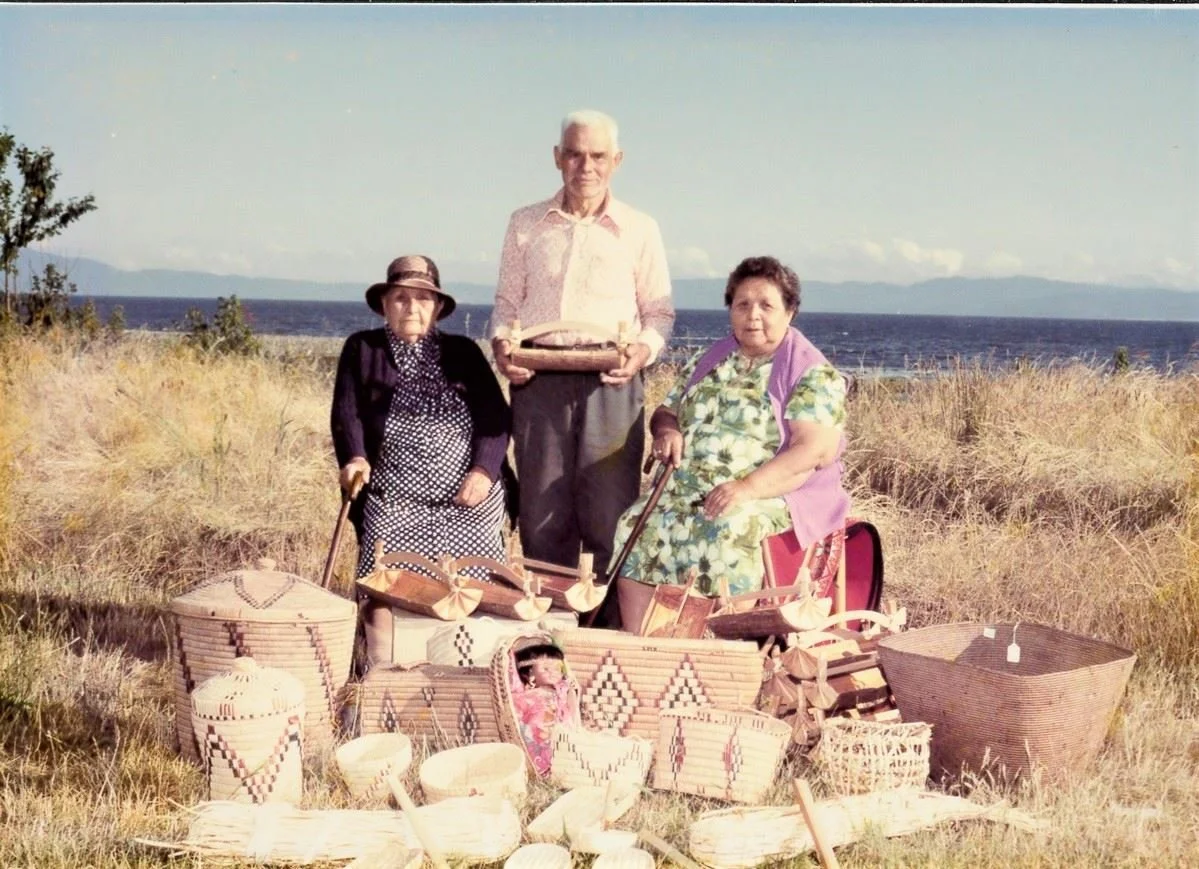
Jeannie Dominick, Bill Mitchell, Rose Mitchell
čɛčɛhat̓ᶿɛč čičyɛʔanəm ʔət̓ᶿ st̓ᶿokʷ ʔət̓ᶿ jɛʔajɛ
If you heard any words you recognize, please feel welcome to sharing it with us, to create a fuller translation together :)